Our English Curriculum
"Either write something worth reading or do something worth writing." - Benjamin Franklin
Language is all around us, speaking, listening, reading and writing are the hardest skills we ever learn to do and communication is vital in all aspects of life, whether it be socialising and being kind or formal presentations and reports. We pride ourselves on speaking; asking questions, reasoning, debating and listening.
We also love reading and have a clear mission to foster imagination, fact finding and the love of reading. We have clear progression paths and key steps to read for all children. Writing is a difficult skill and a concise and well-constructed curriculum map allows all children to write something worth reading!
Speaking and Listening
Our curriculum reflects the importance of spoken language in pupils' development. From early years in Robins Class to Year 6 speaking, listening, discussion, debating and thinking is a core focus.
The NELI intervention, provided by NFER, is used by children who require additional help learn. We provide children opportunities to speak in front of others as they grow, including during church services, assemblies, and Year 6 pupils' own Easter service at St. Giles' Church.
Every class performs a show each year; the Nativity performed by Robins Class, a topic themed play in Kingfishers Class and a musical in Owls and Kestrels Classes. As a small school, this ensures all the children have 7 opportunities to perform in a significant role.
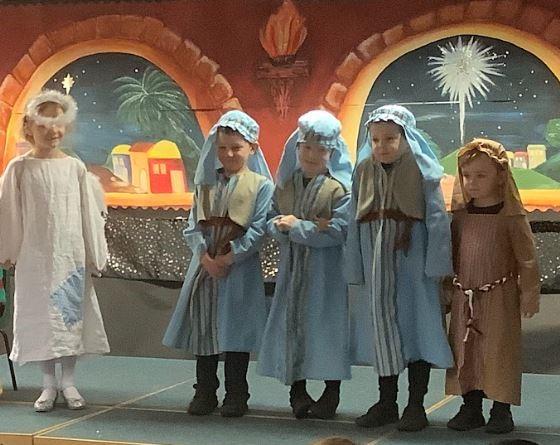
Robins Nativity
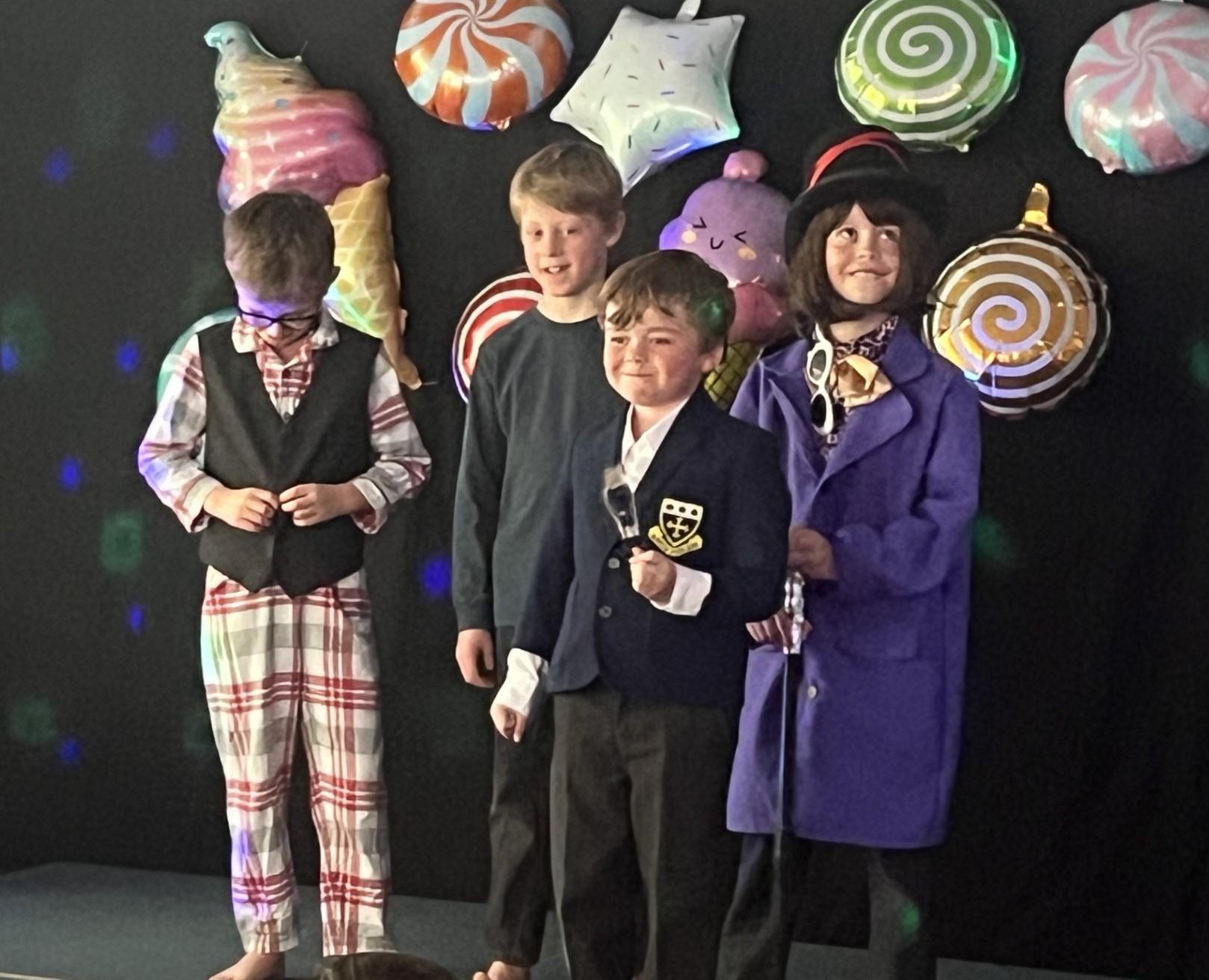
Kingfishers Themed Play
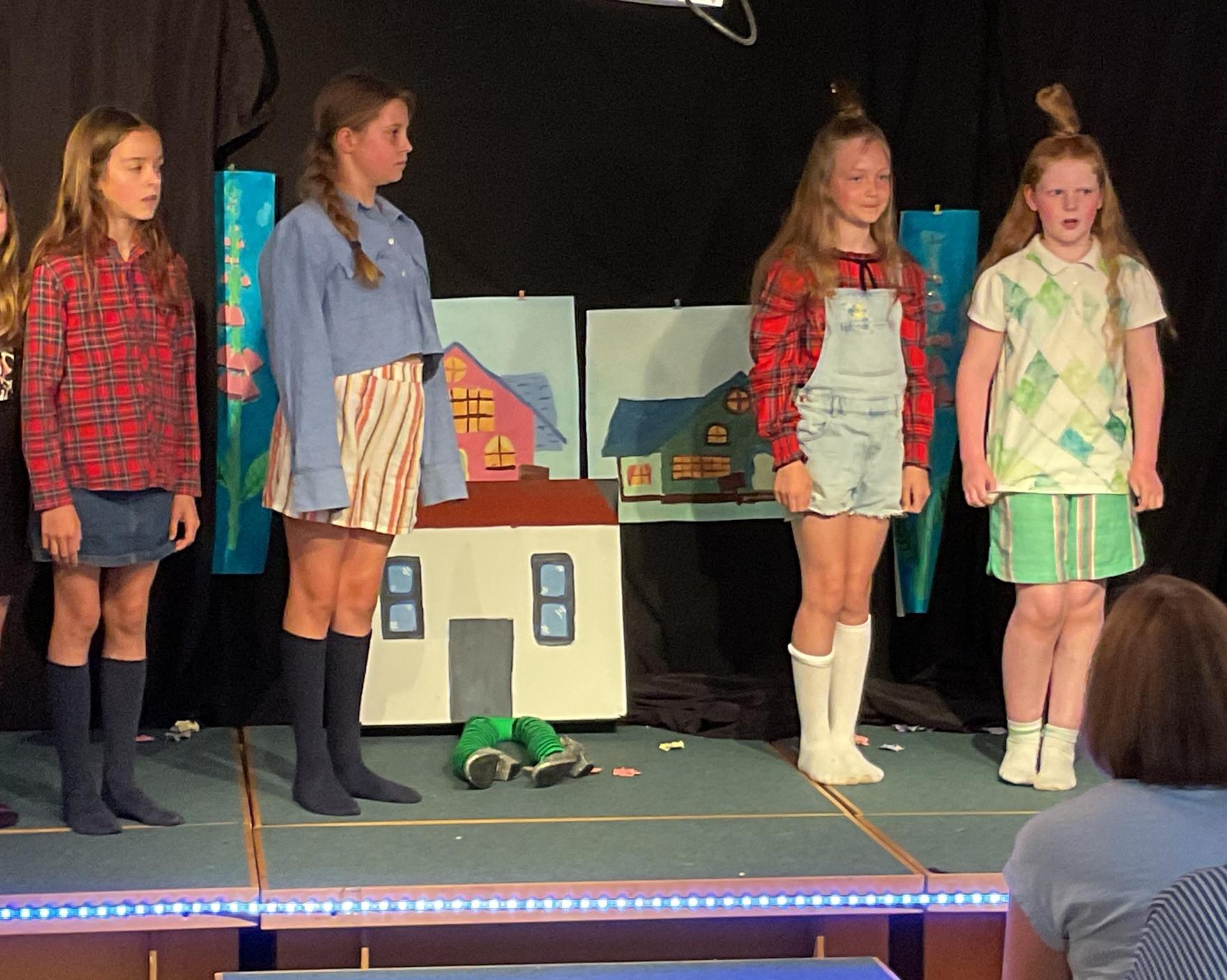
Owls & Kestrels Musical
Reading
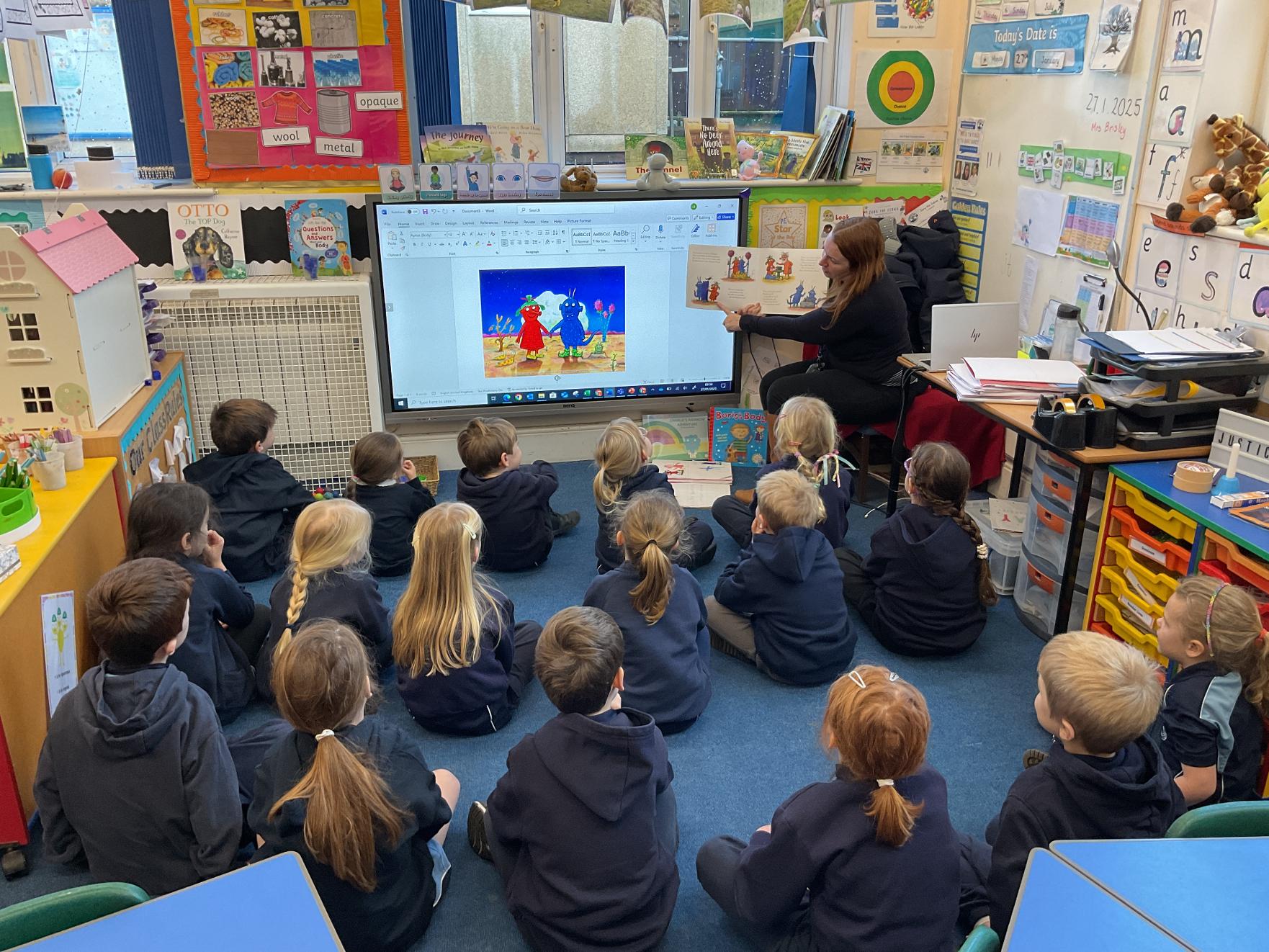
Books and reading are at the heart of our learning at Coberley. We ensure that the children are exposed to a wide range of literature including fiction, non-fiction, and poetry to develop their reading skills and foster a love of reading.
The teaching of reading focuses on developing pupils' fluency, comprehension, and enjoyment of reading. It is divided into two key strands:
- Word Reading – using phonics for decoding words and the reading of common exception words
- Reading Comprehension - understanding, interpreting, and responding to texts

Phonics
At Coberley we use Read Write Inc. which is a structured phonics programme developed by Ruth Miskin to help children learn to read, write, and spell. The scheme focuses on systematic teaching of synthetic phonics, where children learn to decode words by blending sounds together. Children are taught four times a week in small groups from reception to Year 1. Lessons are grouped by reading ability and include phonics, reading comprehension, vocabulary building, handwriting, and writing composition.
For more information click on the link: Phonics - Ruth Miskin Literacy.
Phonics Screening
Towards the end of Year 1 children are assessed on their phonic knowledge.
All children need to be able to identify sounds associated with different letters and letter combinations (called graphemes and phonemes) and then blend these sounds together to correctly say the word on the page. The same skill is needed to help children with both reading and writing. This assessment identifies children who are not using sounds to the expected level and, in that case, the child will take the screening check again when they are in Year 2 following additional support from school.
The Phonics Screening Check consists of a list of 40 words, half real words and half non-words, which Year 1 children read to their class teacher. Administering the assessment usually takes between four and nine minutes per child.
Non-words (made up words) are included because they will be new to all children. Children who can read non-words should have the skills to decode almost any unfamiliar word. The non-words are presented alongside a picture of an imaginary creature, and children are told the non-word is the name of that type of creature. This helps children to understand the non-word should not be matched to their existing vocabulary.
Reading Schemes
Our books are banded using the Collins reading book bands and include a variety of different books including phonics books, fiction and non-fiction. Children are all given a book band when they start with us and are regularly assessed. This is tracked termly, until they become free readers.
Recommended Books
We love reading at Coberley and have a wonderful library full of exciting and up-to-date fiction, non-fiction and picture books. We pride ourselves in recommending exciting stories for the children to read and read a variety of class which provide a wealth of culture, diversity, history and biographies in addition to a range of genres. Please do ask if you would like any book recommendations! Please also see a recommended text list below:
Best Books for Primary Schools: Recommended Booklist
Whole Class Guided Reading
We place a strong emphasis on whole class guided reading twice or three times a week in Kingfishers Class (Years 2 and 3), Owls Class (Years 4 and 5), and Kestrels Class (Year 6). The books and literature we selected are intended to expose children to a wide range of genres and texts, to commemorate important occasions or themes, and to go over previously covered historical, geographical, religious education, or scientific issues. For instance, sound is studied by students in Kingfishers Class and will be covered again in Guided Reading in Owls Class.
The teacher can read aloud to the class while also giving the children regular reading practise. Then, specific questions are asked using the VIPERS acronym. VIPERS is an acronym to aid the recall of the 6 reading domains as part of the UK’s reading curriculum. They are the key areas which we feel children need to know and understand in order to improve their comprehension of texts. They are:
Vocab
Inference
Predict
Explain
Retrieve
Summarise (or Sequence)
Writing
We want our children to love writing - to create amazing stories, to create play scripts, song lyrics and poetry and to feel confident to jot ideas down to help think, plan and create.
In each class we have a different writing genre each term. The genres are then brought to life through books or an area of interest that the class have - it may link to learning in history or geography. At the outset we conduct a 'cold write' before teaching key skills, grammar and components of that genre before a 'hot write'. Both 'writes' are conducted using the same checklist to quantify improvement and track progress throughout the school.