Early Years
At Coberley, the Early Years Foundation Stage (EYFS) provides a nurturing, engaging, and stimulating environment where children begin their educational journey. They begin in Robins class which is a mixed class of Reception and Year 1 children. We believe that every child deserves the best possible start, and our dedicated staff support each child to thrive through a balance of play-based learning and focused teaching. Our curriculum is carefully planned around the EYFS framework, encouraging curiosity, creativity, and confidence across the seven areas of learning. These are grouped into three prime areas and four specific areas:
Prime Areas (crucial for early development and future learning):
- Communication and Language – Developing listening, understanding, and speaking skills through conversation, stories, and role play.
- Physical Development – Building gross and fine motor skills, coordination, and self-care (such as dressing or using tools like scissors).
- Personal, Social and Emotional Development – Learning to manage emotions, build relationships, and develop confidence and independence.
Specific Areas (developing knowledge and skills for school readiness):
- Literacy – Introducing phonics, reading, and writing through storytelling, mark-making, and letter recognition.
- Mathematics – Exploring numbers, counting, shapes, patterns, space, and measures through practical, hands-on experiences.
- Understanding the World – Encouraging curiosity about people, places, technology, and the natural world.
- Expressive Arts and Design – Fostering creativity through music, movement, art, role play, and imaginative activities.
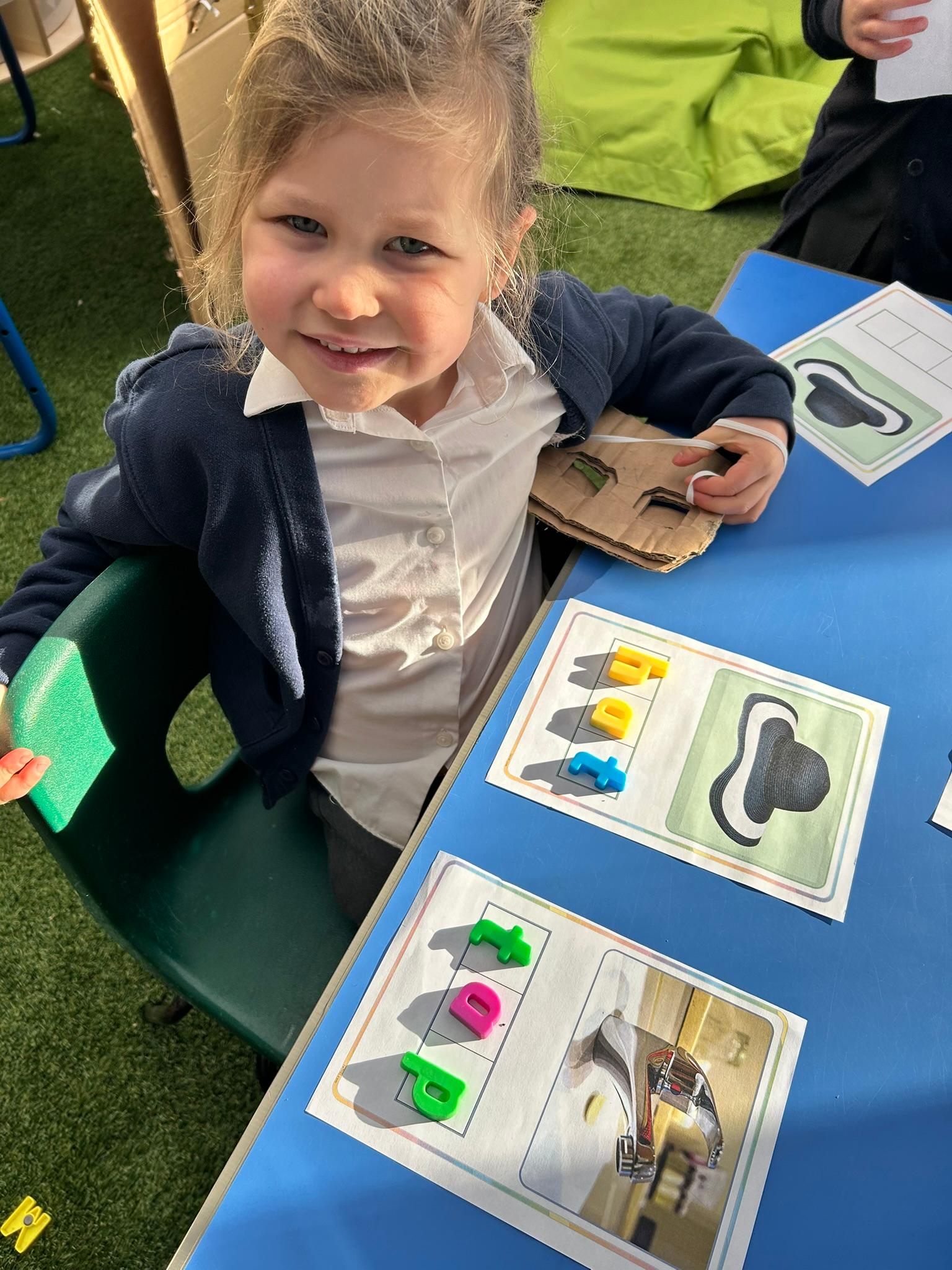
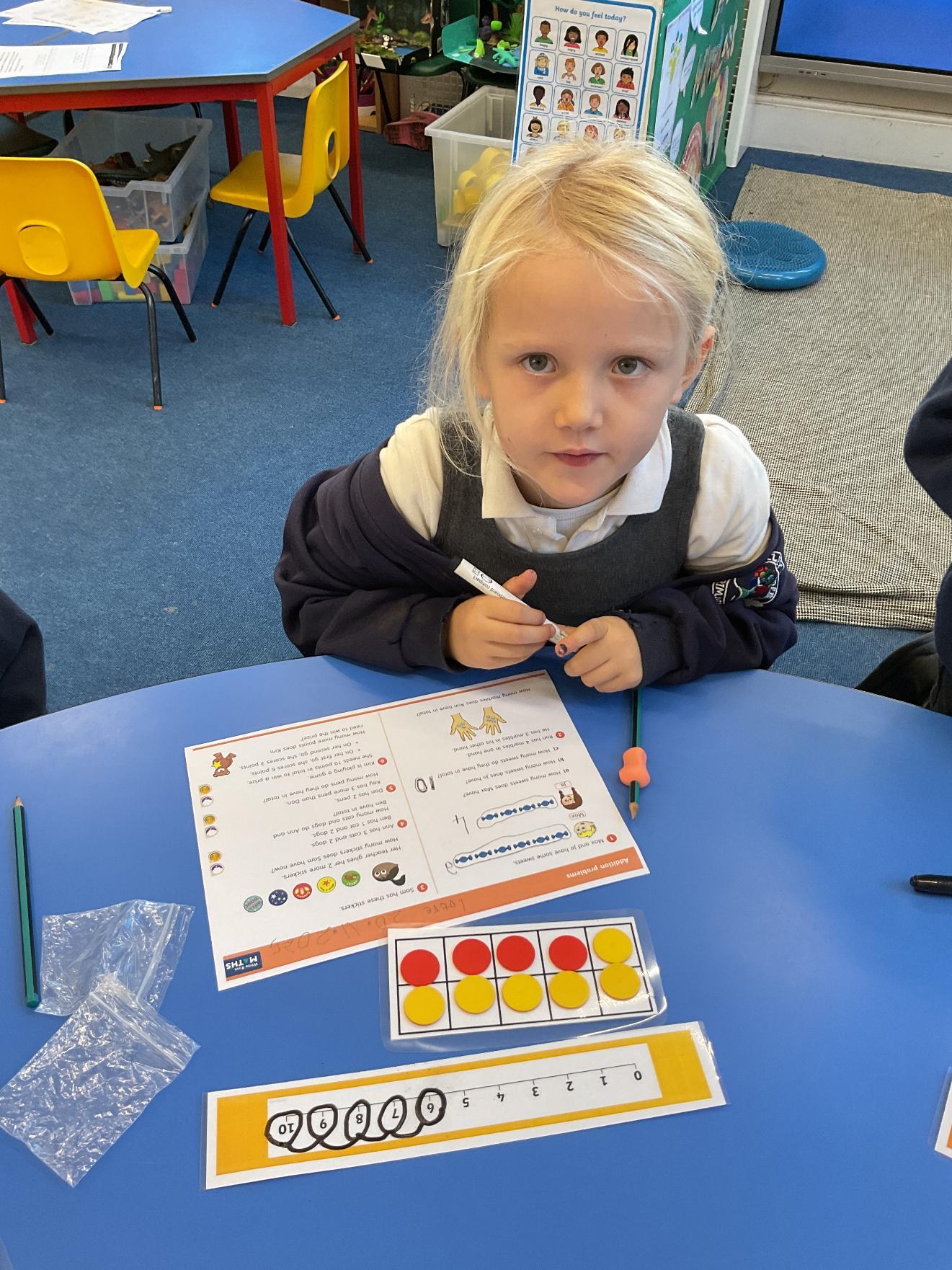
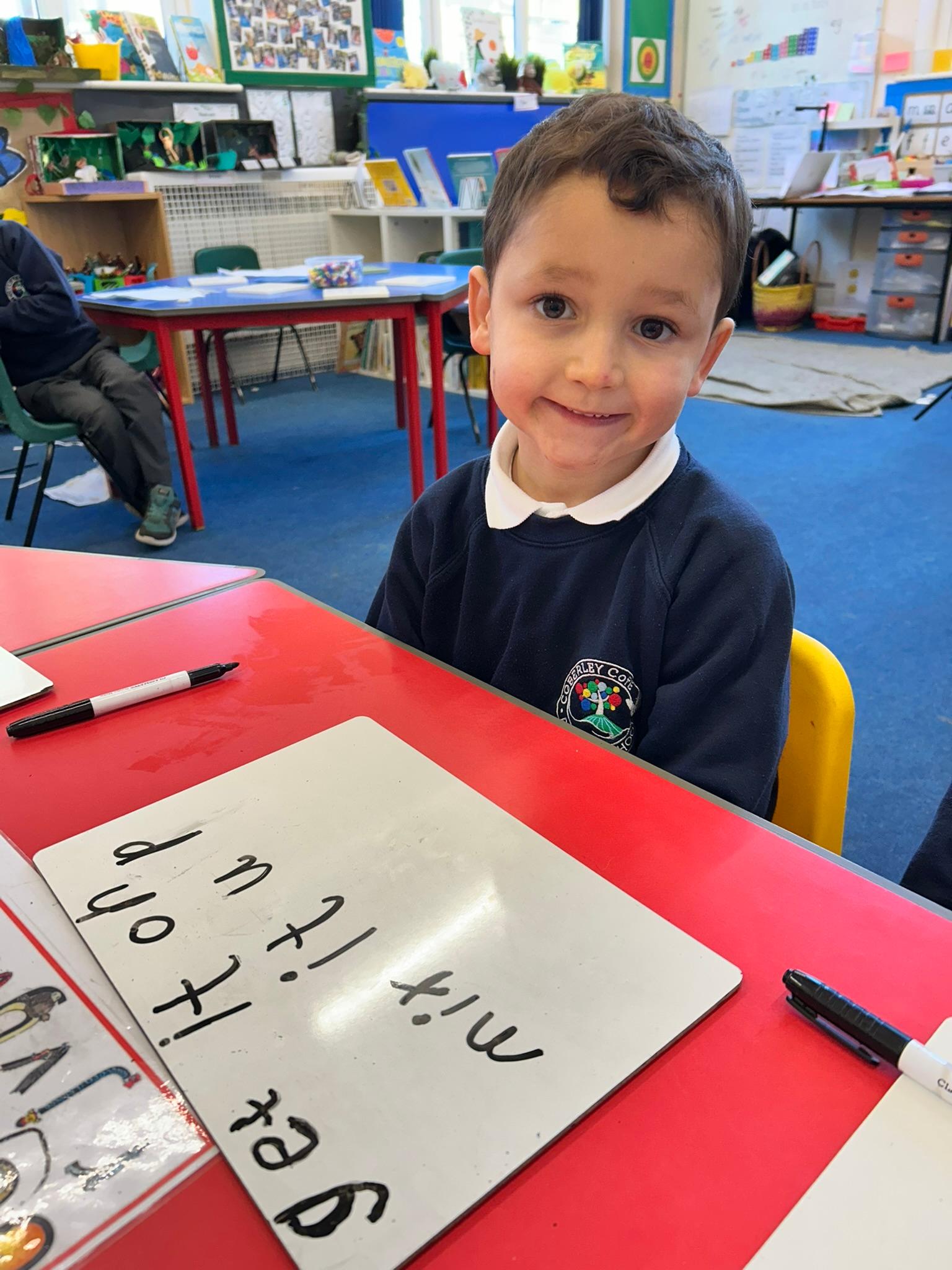
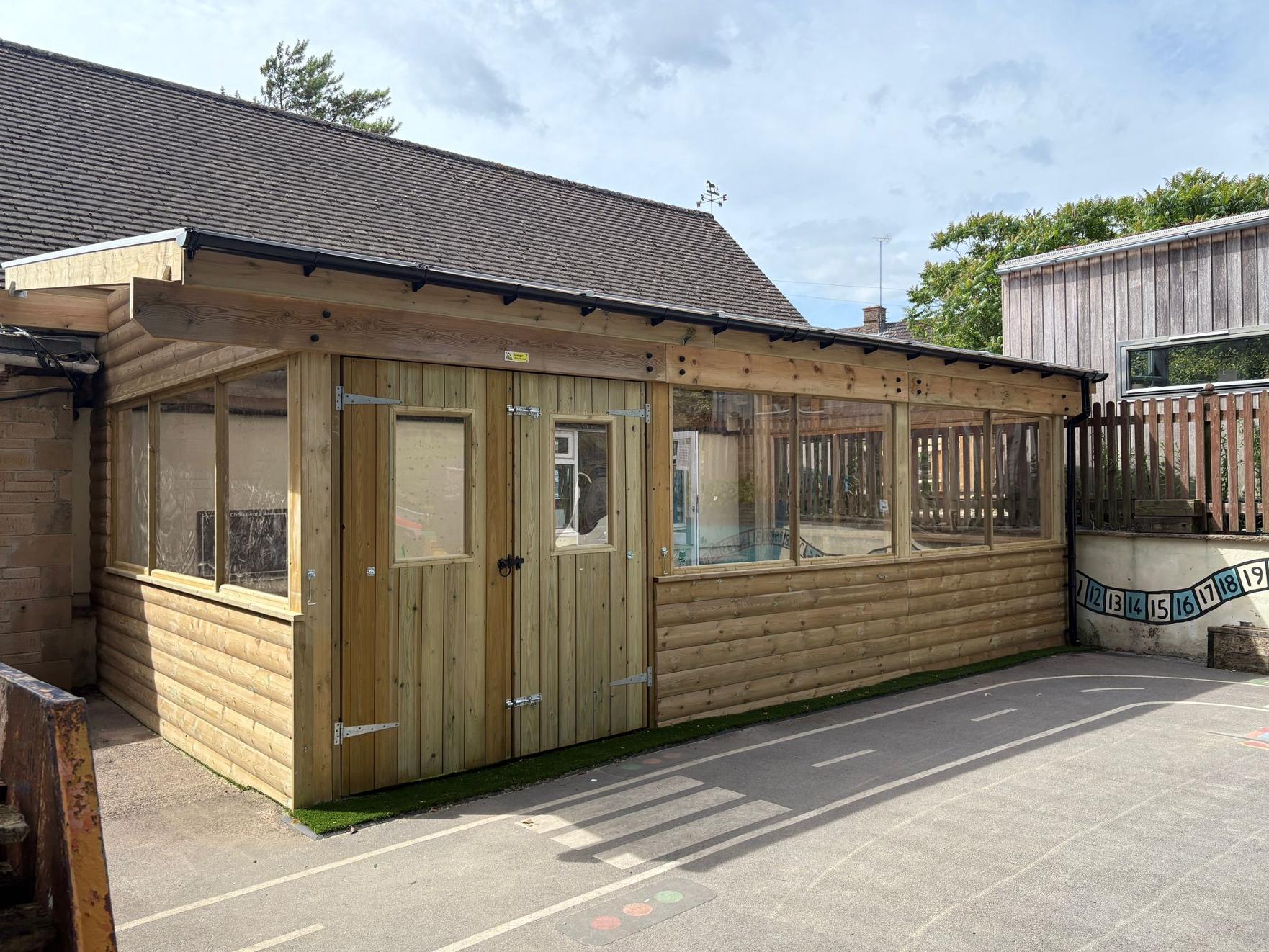
Robins classroom is attached to a generous outdoor area where children can explore and play. The outdoor area is an extension of the classroom and plays a vital role in children's learning and development. It provides a rich, stimulating environment where children can explore, play, and discover through hands-on experiences. Outdoor learning supports physical development, encourages risk-taking, and fosters independence and problem-solving skills. Whether building with natural materials or blocks, engaging in imaginative role play, riding on the trikes, bikes and scooters or investigating the world around them, children develop their confidence, communication, and curiosity. We believe that regular access to the outdoors helps to nurture well-rounded, happy learners who are active, resilient, and ready for the challenges of school life.
We place strong emphasis on developing early communication, language, and social skills, while also laying the foundations for literacy and numeracy. Above all, we aim to foster a love of learning in a safe and caring space where children feel happy, valued, and ready to take their next steps.
EYFS Profile
At the end of Reception the EYFS Profile must be completed for each child. It provides parents a well-rounded picture of a child’s knowledge, understanding and abilities, their progress against expected levels, and their readiness for Year 1. Assessment for the EYFS profile is largely drawn from skilled observation of the child but will also include parental contributions and those of other adults working with the child. The EYFS profile indicates whether children are beginning to meeting expected levels of development (emerging), working at the expected levels or exceeding them. It is important to remember that all children develop at different rates and at this young age a few months can make a huge difference.
Children in the EYFS are assessed according early learning goals, using the prime areas and specific areas as above