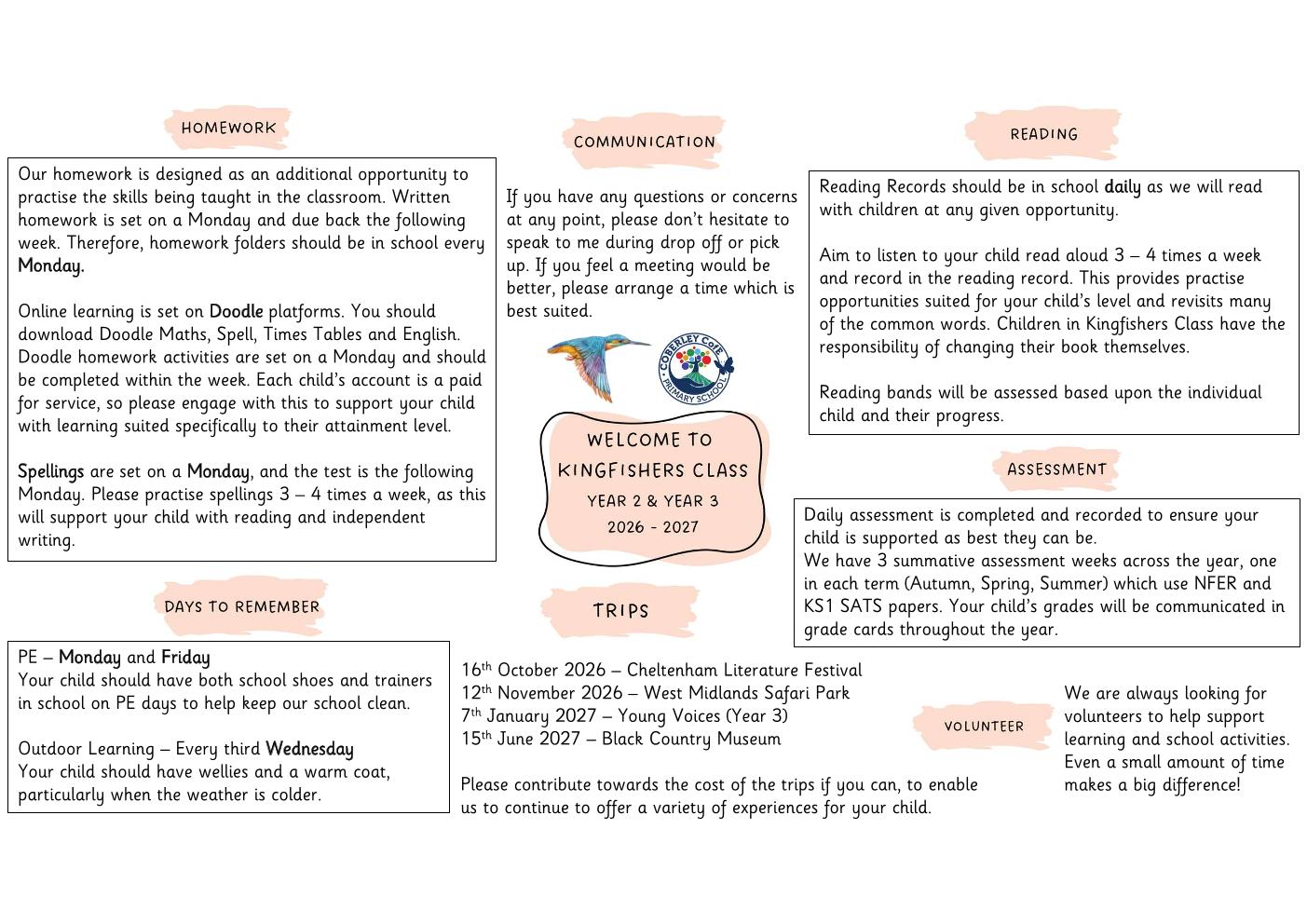
Welcome to Kingfishers Class
Kingfishers Class is for our Year 2 and Year 3 children, and is taught by Miss Dowdall.


This Term's Learning
In Autumn 2026 term, Year 2 and Year 3 focus on their topic Dinosaurs and the Stone Age.
Writing
This term, our writing focusses on two styles of writing, narrative and instruction writing. The narrative writing is inspired by fiction text How to Grow a Dinosaur by Caryl Hart and Edward Eaves.
For narrative writing, the unit teaches the 5 parts to the narrative using a story mountain, with a focus on each part of the narrative in detail. Also explored are character and setting descriptions using adjectives, writing descriptions from our narrative text before innovating our own descriptions. SPAG elements to this unit include verbs and adverbs, grouping ideas together in paragraphs, speech punctuation and inverted commas for Year 3.
For instruction writing, the unit teaches elements of an instructional text including a title, picture, ingredients and equipment list and method writing in chronological order. SPAG elements taught in this unit include openers, sentence types (statement, command, questions and exclamation) with relevant punctuation and commas in a list.
Maths
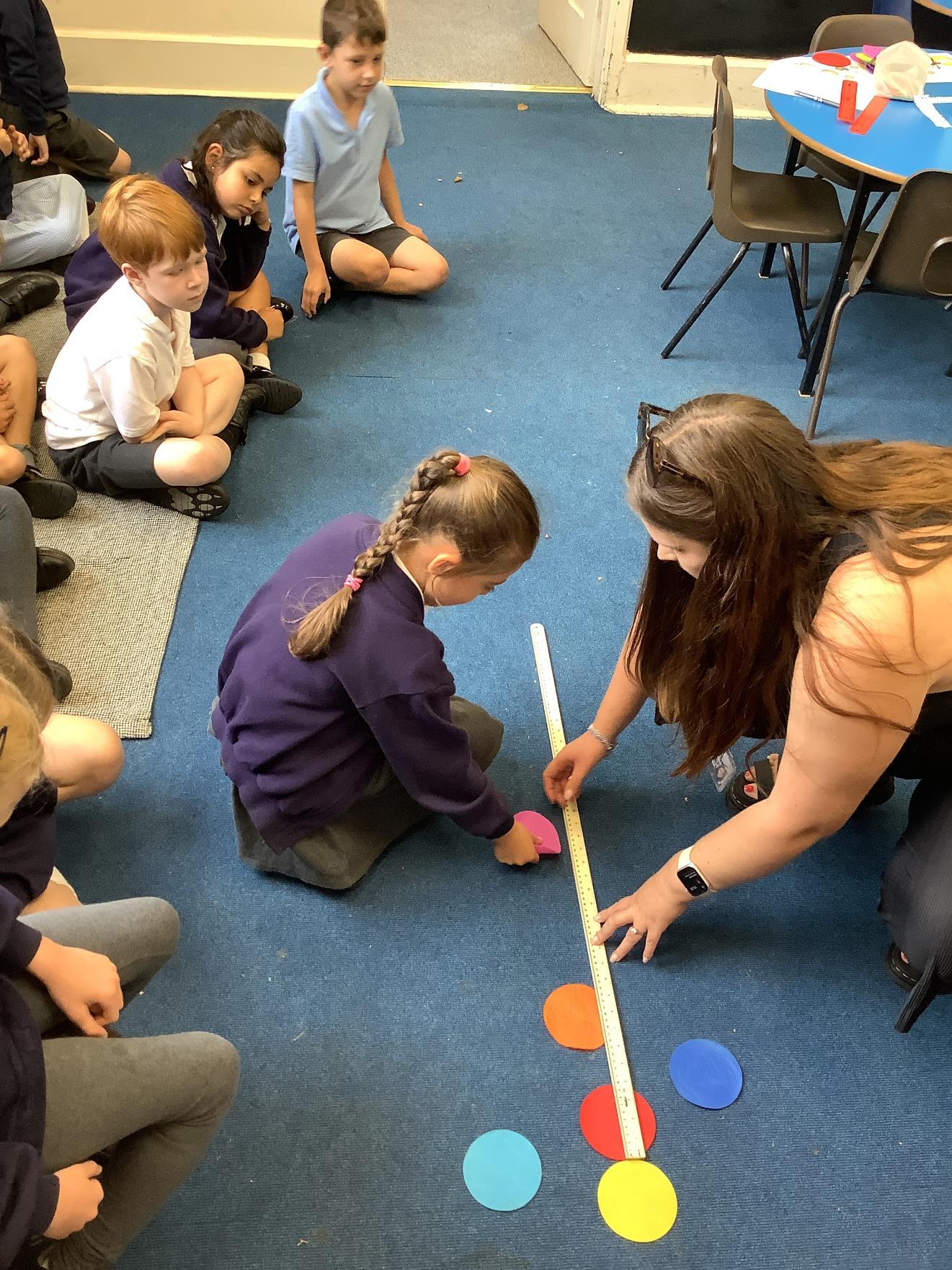
This term, Year 2 learn the place value of numbers to 100 and use a variety of addition and subtraction skills for 2-digit numbers with different representations. Year 2 also learn classification of 2-D and 3-D shapes by number of sides/edges, vertices and faces, along with specific rules for shapes.
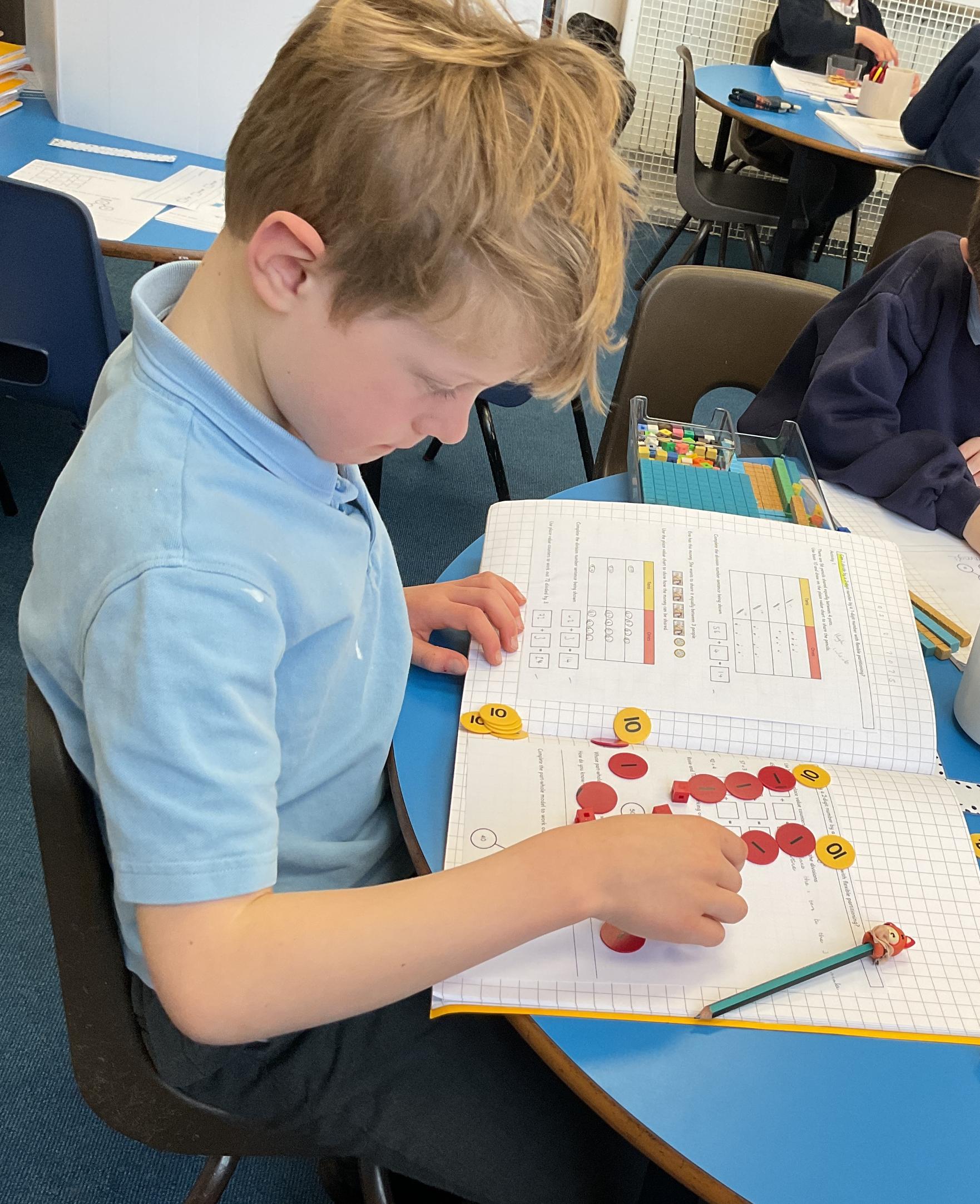
Year 3 learn place value of numbers to 1,000 with a variety of representations including a place value chart, base 10 and place value counters. The addition and subtraction unit teaches key skills such as the column method for 3-digit calculations for both addition and subtraction. The term finishes with a multiplication and division unit, which focusses on the 3, 4 and 8 times tables.
History
In History, the term starts learning about the Mesozoic Era, split into three time periods – Triassic, Jurassic and Cretaceous before moving onto the Stone Age area and the first period of human culture. The historical continents are taught with the land formation of supercontinent Pangea prior to land movement, and Skara Brae is taught as an example of a dwelling during the Stone Age. Significant figures studied include the English palaeontologist, Mary Anning and Robert Bruce Foote, an important Geologist and Archaeologist. Significant events include the extinction of dinosaurs prior to the Stone Age, and finally food is discussed through the diet of different dinosaurs and a Stone Age human diet.
Science
This term the Science unit is titled Rocks and Fossils, which teaches about the classification of rocks and their formation including igneous, metamorphic and sedimentary rocks. Following understanding of the rock types, teaching then moves onto how fossils are formed and salt-dough fossils are created, with cross curricular links to History and Art.
Art and Design & Technology
Art this term starts with self-portraits using mixed collage including photographs. Cave painting for the Stone Age period is explored by creating colour and applying colour with natural resources. Clay sculpture of dinosaurs focusses on clay skills to manipulate, shape and combine elements together. The artist study this term focusses on the work of Mark Hallet, a paleo artist who illustrates prehistoric life and environments and paints dinosaurs in great detail.
Design and Technology is taught through the design, modelling and evaluating of moving dinosaurs using split pins to enable limb movement. Salt dough fossils are made from instructions, with a writing cross curricular link.
Computing
This term, Kingfishers Class understand the common uses of IT in school, at home and elsewhere in the world. Computers are used to present word processing documents which are used to write up instructions and a recount, including inserting photographs.
Religious Education and World Views
Kingfishers first question to answer this term is ‘What is it like to be part of the Muslim community in the UK (and beyond)?’. This unit explores life within a Muslim community and understands the role it plays in Muslims life, such as through the mosque and how it shapes a Muslim’s belief, practice and identity. The second question to answer is ‘Why is Muhammad important to Muslims today?’ which focusses on the life, times and message of the Prophet Muhammad as recorded in the Qur’an, what Muslims think about him and how he has an impact on their lives.
PSHE and RSE
PSHE this term starts by teaching the school values and British Values before learning how to adopt a growth mindset in the learning we do. The second part of the term focusses on relationships, families, respect and tolerating both yourself and others. My Happy Mind this term completes modules ‘Meet your Brain’ and ‘Celebrate’.

|
Kingfishers Parents Information Sheet | [pdf 83KB] |

|